Use case first
A commuter needs predictable handling, mudguards, lights, and durable tires. A weekend road rider may care more about efficient geometry and low rolling resistance.
Practical cycling notes for everyday riders
A broad, neutral cycling resource covering bike types, fit, city commuting, gravel routes, endurance training, safety habits, and simple workshop routines.

Starter guide
Every bicycle is a compromise between speed, comfort, durability, carrying capacity, and terrain. Start with the rides you actually do, not the rides you imagine once a year.
A commuter needs predictable handling, mudguards, lights, and durable tires. A weekend road rider may care more about efficient geometry and low rolling resistance.
A well-fitting mid-range bike is usually better than an expensive bike that is too long, too aggressive, or uncomfortable after forty minutes.
Clean drivetrains, correct tire pressure, fresh brake pads, and adjusted gears change real-world performance more than many upgrades.
Bike categories
Labels overlap, but categories are useful. A road bike is optimized for pavement speed. A gravel bike expands tire clearance and stability. A touring bike favors load and reliability. A city bike prioritizes daily practicality.

Best for paved routes, group rides, long steady efforts, and fast commuting where surface quality is good.
A flexible option for mixed surfaces, light trails, bad roads, and riders who value comfort over pure speed.
Built for repeated short trips, groceries, office commutes, rain, locks, and everyday reliability.
Designed to remain predictable with luggage, handle long days, and accept serviceable components.
Route planning
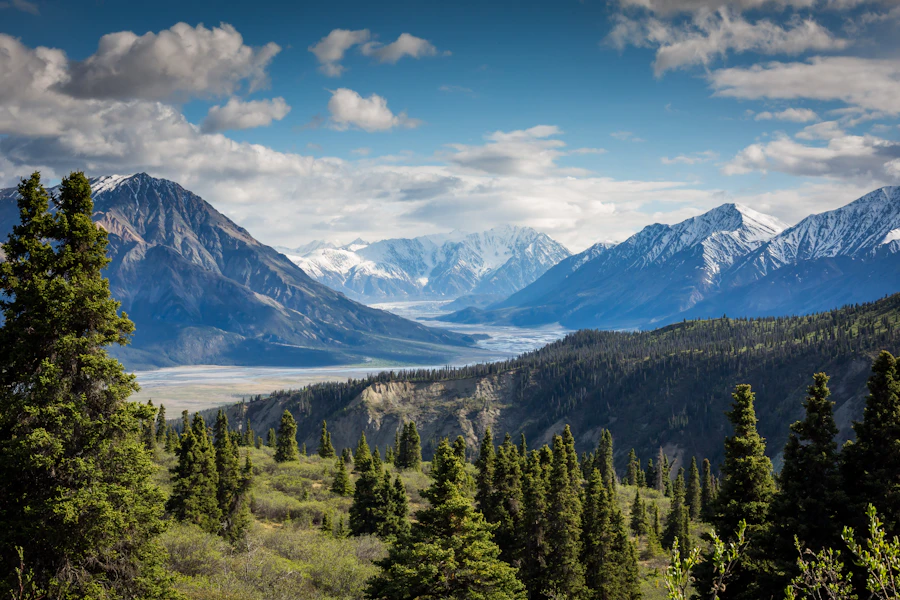
Check total climbing, gradient spikes, wind direction, water points, and bailout options. A flat 90 km ride and a hilly 90 km ride are not the same workload.
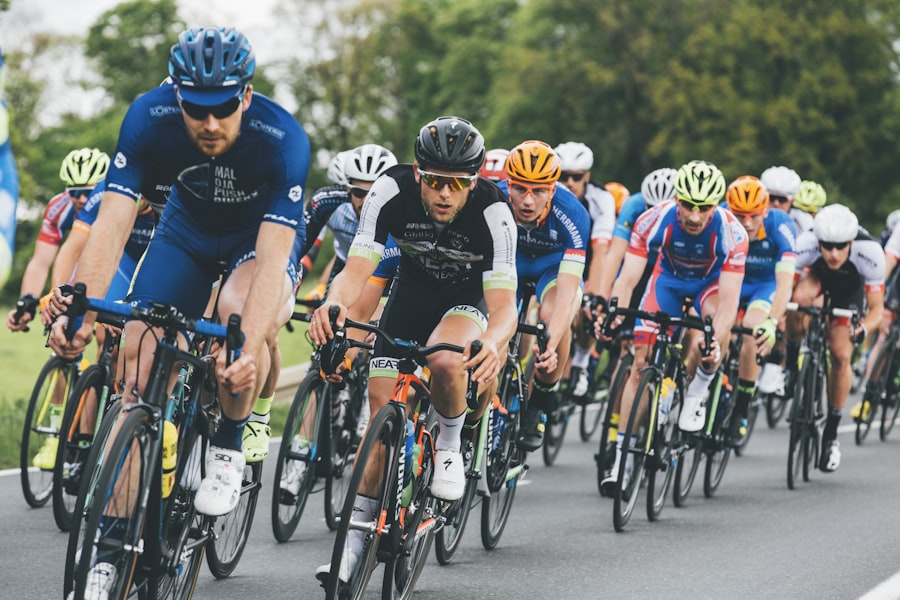
Prefer roads with predictable shoulders, lower speeds, clean sightlines, and fewer complex junctions. The fastest line on a map is not always the best cycling route.

Match tire width and pressure to surface quality. Rough pavement and compact gravel often reward slightly wider tires and lower pressures.
Workshop
Most problems are easier to prevent than repair on the roadside. Keep the routine boring and consistent.
Check tire pressure, brake bite, wheel retention, lights, and obvious cuts in the tires.
Wipe the chain, relubricate when needed, inspect pulley wheels, and listen for indexing noise.
Inspect brake pads, chain wear, headset play, cleats, bar tape, cables, and rack bolts.
Replace worn consumables, service bearings as needed, refresh sealant, and inspect wheels for spoke tension issues.
Equipment
A useful cycling kit is compact, boring, and tested before you need it. The goal is not to prepare for everything; it is to solve common problems quickly.
Tire levers, tube or plugs, pump or inflator, and a small patch kit.
Hex keys, Torx if your bike needs it, chain breaker, and quick link.
Daytime rear light, reflective details, and a front light for changing conditions.
Packable shell, thin gloves, and a dry layer for long or uncertain rides.
Water, electrolytes for heat, and carbohydrates for rides beyond casual duration.
Appropriate lock, registration details, and a habit of parking in visible places.
Skills
Your bike tends to follow your vision. Look where you want to exit, not at the obstacle you want to avoid.
Slow before the turn, then carry a stable line. Heavy braking mid-corner reduces traction margin.
Predictability is a safety tool. Signal early, avoid sudden lateral movement, and ride visibly.
Track stands, tight turns, and controlled starts make traffic, junctions, and group riding easier.
Comparison
| Choice | Good for | Trade-off |
|---|---|---|
| Wider tires | Comfort, grip, poor surfaces | May feel slower if too heavy |
| Lower gearing | Climbs, touring, mixed terrain | Larger jumps between gears |
| Full fenders | Commuting, rain, winter roads | More setup constraints |
| Frame bags | Long rides without racks | Can affect bottle access |
| Clipless pedals | Efficiency and foot stability | Learning curve in traffic |